
Predictive Inspections with Thermography Selangor
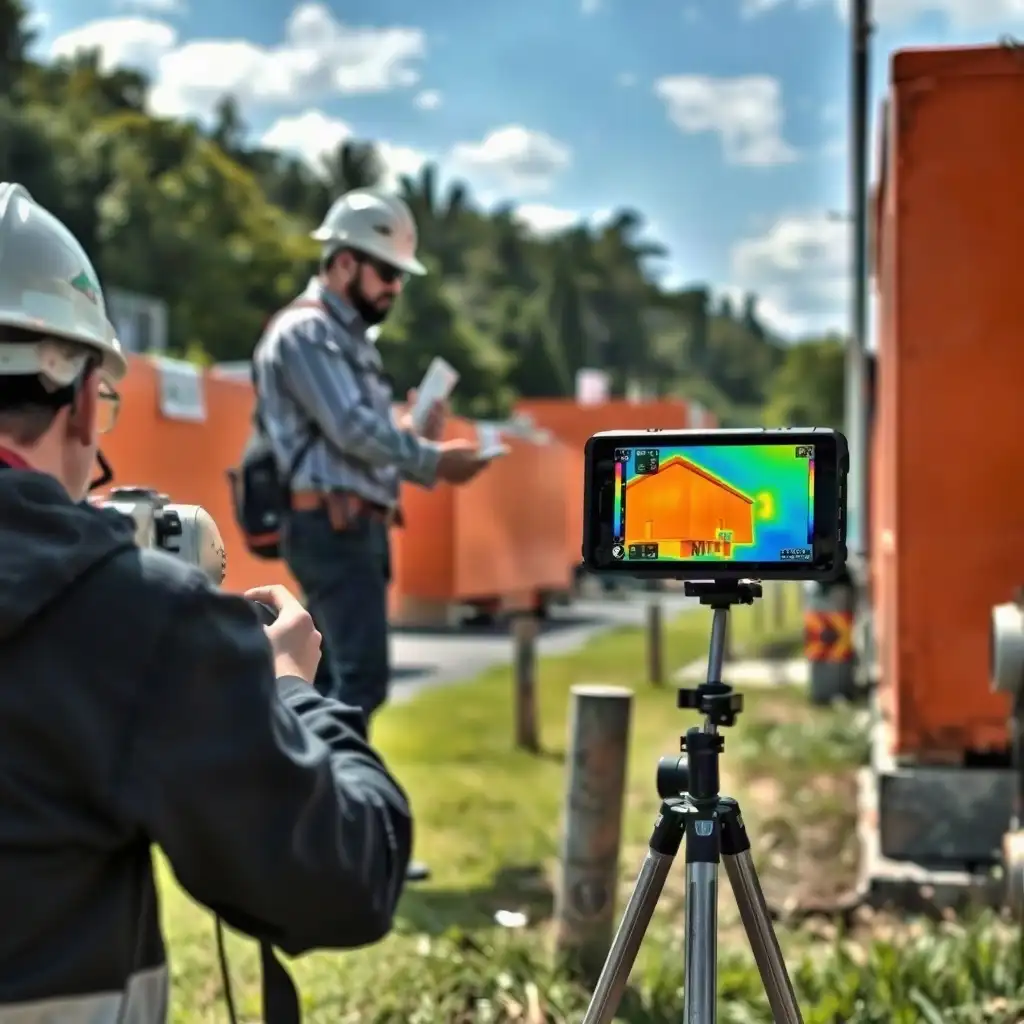
In Selangor’s industrial scene, businesses are using thermography to improve maintenance. Infrared thermal imaging technology helps spot temperature issues and potential problems in key equipment before they lead to failures. Regular evaluations, every six months to a year, boost operational safety and optimize maintenance schedules. Repairs occur during planned downtimes instead of emergencies. This proactive approach reduces disruption and supports data-driven decision-making, extending the lifespan of critical assets across sectors.
Principles of Thermography in Maintenance
Utilizing infrared thermal imaging technology, predictive inspections through thermography can identify temperature differences and hotspots in machinery without contact. This capability is crucial for detecting issues like electrical overloads or mechanical wear before they lead to major failures. Regular checks, typically every six to twelve months, keep companies informed about their equipment’s condition, enabling timely repairs that prevent costly breakdowns. In industries like manufacturing and utilities in Selangor, this method enhances safety and optimizes maintenance schedules by allowing repairs during planned downtimes instead of waiting for critical failures.
Combining thermographic data with a broader predictive maintenance strategy provides teams with insights tailored to specific industry needs while ensuring compliance with quality management standards like ISO 9001:2015 and others relevant in today’s competitive landscape.
Thermographic Inspection Services in Selangor
In Selangor, thermographic inspection services are transforming predictive maintenance. These inspections use non-contact infrared thermal imaging to identify faults and overheating in critical components like power sources and transformers before major failures occur. This proactive approach improves equipment health understanding, enabling strategic repair planning during off-peak hours, minimizing operational disruption. Regular assessments, typically scheduled every six months to annually based on industry needs, ensure facility managers can act quickly using detailed reports and thermal images.
Companies like PPM Predictive & Preventive Maintenance Sdn. Bhd., which apply advanced condition monitoring methods in real-time environments, help businesses across various sectors, including manufacturing and utilities, to enhance maintenance strategies while adhering to quality management standards like ISO 9001:2015. As this technology develops within Selangor’s industrial framework, it enhances safety and extends the lifespan of key assets through informed decision-making based on actionable data insights.
The Pros & Cons of Thermographic Inspections
Pros
-
Detecting faults early lowers the chances of equipment failure.
-
It improves safety by reducing fire risks and breakdowns.
-
Maintenance schedules get better, which cuts costs and makes resource use more efficient.
-
Timely actions help extend how long equipment lasts.
-
This non-invasive method lets you inspect without stopping operations.
Cons
-
Investing in thermal imaging equipment can be costly upfront.
-
You need skilled workers who can read thermal images correctly.
-
How often you inspect may depend on how critical the equipment is, so planning is important.
-
Its effectiveness drops if it isn’t combined with other predictive maintenance methods.
-
Relying too much on technology might cause us to overlook human elements in maintenance practices.
High-performance HIKMICRO Thermal Cameras
The introduction of high-performance HIKMICRO thermal cameras marks a significant advancement in predictive inspections. These devices change how businesses monitor electrical and mechanical systems. Models like the G61H, G61, and G41 have sensitivity levels below 35 mK, enabling operators to quickly spot temperature differences that may reveal hidden issues. The accuracy of these cameras enhances fault detection while maintaining safety protocols during assessments.
Practical Use
In practice, thermographic inspections with HIKMICRO technology allow professionals to visually examine heat flow across equipment parts without physical contact, avoiding disruptions or damage typical of traditional inspection methods. This non-invasive approach enables maintenance teams to efficiently gather critical data. Such evaluations are crucial in industries where downtime leads to financial loss or operational delays, like steel manufacturing or petroleum processing in Selangor’s industrial landscape.
Integration Into Maintenance
incorporating these cameras into regular monitoring schedules helps companies build strong predictive maintenance frameworks that align with industry standards like ISO 14001:2015 and ISO 45001:2018. This ensures compliance while providing actionable insights from detailed thermal imaging reports. Decisions about asset management become more informed, leading to better efficiency and longer lifespans for vital machinery while promoting proactive maintenance within Selangor’s various industrial sectors.
Electrical and Mechanical Equipment Monitoring
A key part of thermographic inspections is their ability to monitor electrical and mechanical equipment. Using non-contact infrared thermal imaging, operators can detect temperature differences that indicate potential issues, like overheating motors or failing bearings, before they cause significant failures. This capability is crucial in high-stakes environments like manufacturing plants in Selangor, where unexpected downtimes can be costly.
Regular evaluations are conducted every six months to a year based on operational needs, providing maintenance teams with timely information for proactive repairs during less disruptive times. Companies like PPM Predictive & Preventive Maintenance Sdn. Bhd. Use advanced thermal imaging techniques while operations are ongoing to ensure machinery runs smoothly and meets quality management standards like ISO 9001:2015 and others relevant for today’s industrial settings.
Through these monitoring practices, businesses enhance safety and support sustained efficiency across all levels of operation within Selangor’s industrial landscape.
Unlocking Insights: Thermography Inspection Data
| Company Name | Registration Number | Services Offered | Thermal Camera Models | ISO Certifications | Location |
|---|---|---|---|---|---|
| PPM Predictive & Preventive Maintenance Sdn. Bhd. | 1243732-U | Thermography Inspection & Analysis, Predictive Maintenance | HIKMICRO G61H, G61, G41, G31, G40, M11, M20, B models | ISO 9001:2015, ISO 14001:2015, ISO 29001-2020, ISO 45001:2018 | Selangor, Malaysia |
| HIKMICRO Malaysia | Handheld thermal cameras | HIKMICRO G61H, G61, G41, G31, G40, M11, M20 | Malaysia | ||
| ELSO Technologies Sdn Bhd | 200801014834 / 1222468-T | Aerial Thermal Imaging Surveys via Drone |
Use of Drone-based Aerial Thermal Surveys
Drone-based aerial thermal surveys are transforming predictive inspections in large industrial settings. Unmanned aerial vehicles with advanced infrared imaging technology allow companies to quickly scan extensive areas like rooftops and building envelopes for temperature differences that indicate problems like air leaks or moisture intrusion. This method reduces inspection time and enhances safety by minimizing human exposure to hazardous conditions. Capturing detailed thermal images from above enables maintenance teams to identify issues that ground-level checks might miss, providing a comprehensive view of asset health across facilities.
Benefits in Selangor's Industrial Sector
In Selangor’s industrial sector, this method is particularly beneficial for businesses requiring regular monitoring of extensive infrastructure, like logistics hubs or manufacturing plants where environmental control is crucial. Companies offering drone-aided thermographic services can deliver accurate data without disrupting daily operations; repairs can then be scheduled based on clear visual evidence rather than guesswork. Incorporating these insights into existing maintenance plans improves transparency and supports compliance with industry standards like ISO 9001:2015 and ISO 14001:2015, leading to better resource use and risk management practices throughout the region’s sectors. As organizations adopt this technology, they address immediate issues while promoting long-term sustainability in maintenance efforts.
Integration with Quality Management Systems
The use of thermographic inspections in Quality Management Systems (QMS) is essential for businesses in Selangor. By incorporating predictive maintenance into their quality practices, companies can meet standards like ISO 9001:2015 and ISO 14001:2015 while improving operations. This combination of thermography and QMS allows firms to maximize detailed thermal imaging data, turning inspection results into insights that guide decisions at all management levels.
Streamlined Communication
Linking thermographic evaluations with established quality processes improves communication between departments. This ensures that information about equipment health reaches the right people without delay. Tracking performance metrics from these inspections fosters a culture of continuous improvement. Regular assessments can reveal trends in equipment performance over time, allowing teams to adjust maintenance schedules based on actual data instead of guesswork. Overall, using advanced infrared inspection techniques boosts operational efficiency while promoting safety and risk management across various industries in Selangor.
Unveiling Secrets of Thermography Inspections Today
-
Thermography is widely used in Selangor for predictive maintenance across industries like manufacturing, oil and gas, and utilities.
-
Companies like PPM Predictive & Preventive Maintenance Sdn. Bhd. Perform thermographic inspections while equipment runs, allowing monitoring without stopping operations.
-
Thermography helps catch issues early, reducing unexpected downtime and leading to significant savings in maintenance expenses over time.
-
Thermography works well with various mechanical systems, alongside building checks and energy audits, boosting overall efficiency.
-
Modern handheld thermal cameras from HIKMICRO have easy-to-use interfaces, making them accessible to many professionals in the field.
Scheduling Thermographic Inspections Effectively
To maximize thermographic inspections, effective scheduling is crucial. Companies in Selangor must plan these assessments to align with their operations, minimizing disruption. By selecting specific times, like during maintenance or off-peak hours, maintenance teams can conduct thorough checks without impacting production. Regular inspections every six months to a year help organizations identify potential issues, like overheating components, before they lead to costly repairs or extended downtimes.
Incorporating thermal imaging findings into maintenance routines enhances decision-making at all operational levels. Detailed reports highlighting temperature irregularities and associated risks enable facility managers and engineers to act based on reliable data rather than past experiences alone. This approach strengthens preventive strategies and aligns with quality management systems like ISO standards relevant in Selangor’s industrial sector, ultimately fostering an environment where safety practices enhance operational performance.
Enhancing Maintenance with Thermography
Utilizing thermography as a key part of maintenance strategies changes how organizations in Selangor manage equipment reliability. Using advanced infrared thermal imaging, businesses can find hidden issues and temperature differences that indicate upcoming failures without touching the machinery. This non-invasive method spots overheating parts and improves safety by allowing early actions before problems lead to expensive breakdowns or dangerous situations. Regular inspections provide important information about critical assets like transformers and motors, helping teams plan repairs during off-peak times, boosting operational efficiency while reducing unexpected downtime.
Integrating thermographic data into broader maintenance plans leads to better decision-making across different sectors in Selangor’s industrial scene. Companies like PPM Predictive & Preventive Maintenance Sdn Bhd exemplify this trend by providing detailed reports that combine thermal images with actionable insights tailored to specific operational needs. These evaluations assist continuous improvement efforts aligned with quality management standards like ISO 9001:2015 and ISO 14001:2015, creating an environment where proactive strategies enhance both asset lifespan and workplace safety. As industries adopt these innovative practices, they position themselves at the forefront of predictive maintenance advancements, ensuring sustainable operations into the future.
FAQ
What is thermography, and how does it contribute to predictive maintenance in Selangor?
Thermography uses infrared thermal imaging to detect equipment overheating and temperature issues, enhancing safety, reducing downtime, and lowering maintenance costs in Selangor industries.
What are the key benefits of using thermographic inspections for industrial equipment?
Thermographic inspections help catch problems early, improve safety, reduce downtime, lower maintenance costs, and increase equipment lifespan.
How often should thermography inspections be conducted based on equipment criticality?
Thermography inspections should occur every six months to annually, depending on the equipment’s criticality, to maintain smooth operation and prevent breakdowns.
Which industries in Selangor are actively utilizing thermography for maintenance purposes?
In Selangor, industries like steel, petroleum, injection molding, food, and oil and gas actively use thermography for maintenance and process control.
What types of thermal imaging equipment are recommended for effective predictive maintenance?
HIKMICRO recommends its handheld thermal cameras, including G61H, G61, G41, G31, and G40, for effective predictive maintenance with high thermal sensitivity and advanced imaging capabilities.