
Mould Prevention in AC Systems Selangor
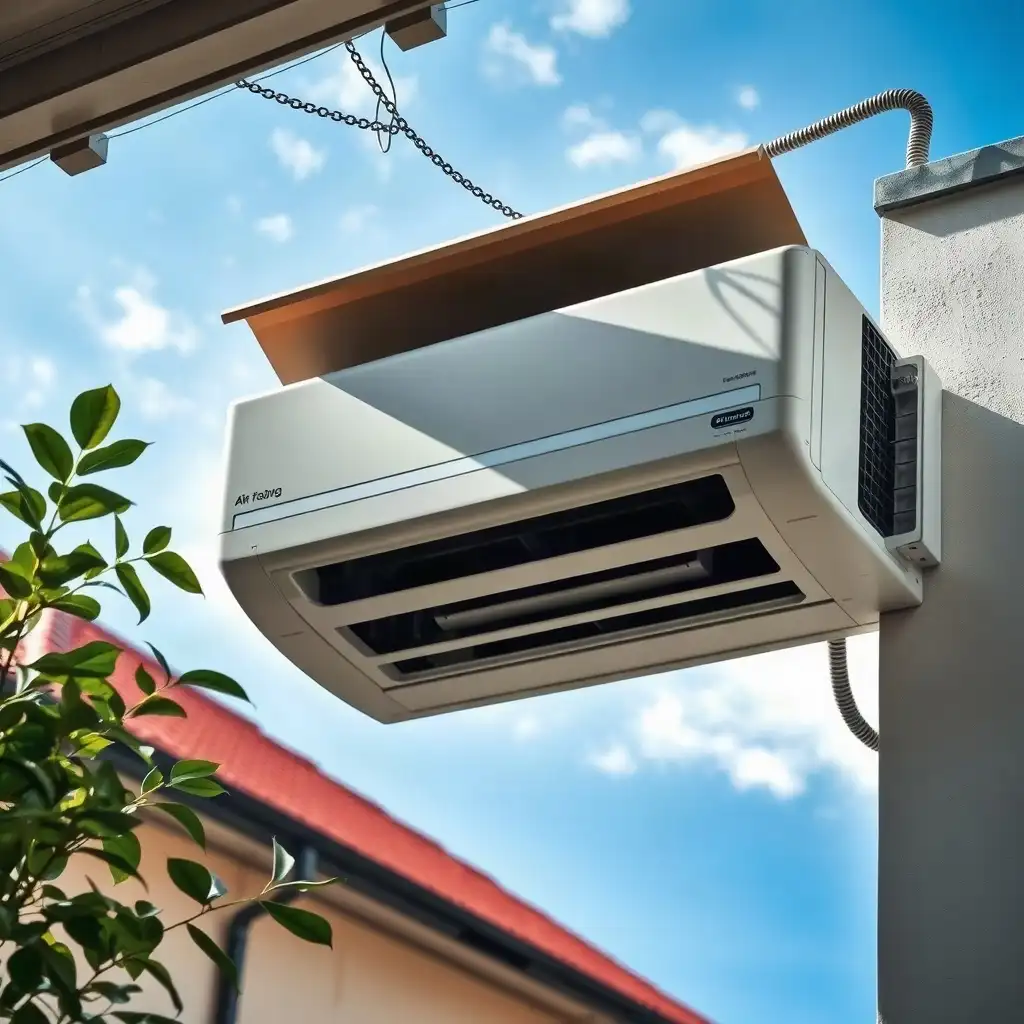
In Selangor’s humid climate, air conditioning systems are at high risk for mould growth due to moisture. Homeowners and property managers should keep indoor humidity below 60% and regularly clean filters and vents. Ensuring proper drainage from AC units and scheduling thorough maintenance every quarter can improve indoor air quality and protect health from mould exposure risks.
Causes of Mould Growth in AC Systems
In Selangor’s humid climate, air conditioning systems can become breeding grounds for mould. High humidity creates moisture buildup, especially in condominiums and office buildings lacking proper ventilation. Dust accumulation and stagnant air further enhance conditions for mould spores to thrive. For airborne particles, separate air-purifier options can be considered; they do not replace addressing moisture at its source.
Homeowners may overlook subtle signs of trouble, like a musty smell when the AC turns on or dark spots around vents, that indicate hidden issues inside their units. These environments allow fungal colonies to grow unnoticed until they significantly impact indoor air quality.
Importance of Regular Inspections
Regular inspections are important; cleaning filters every month and scheduling thorough maintenance every three months can help reduce these risks effectively. Doing so promotes healthier living spaces free from allergens and irritants linked to mould exposure.
Health Impacts of Mould Exposure
Prolonged exposure to mould spores in air conditioning systems poses serious health risks, especially for sensitive individuals like children and the elderly. Symptoms may include mild respiratory issues like coughing and sneezing, escalating to severe conditions like asthma or chronic bronchitis. People with allergies may experience stronger reactions, leading to significant discomfort.
To breathing problems, skin rashes and other allergic reactions can occur from touching contaminated surfaces or inhaling airborne spores. The humid environment in Selangor exacerbates this issue by allowing mould to grow quickly in AC units that aren’t regularly serviced. Homeowners should be aware of visible signs of mould and hidden dangers behind closed vents and filters, these threats could significantly reduce indoor air quality over time if ignored.
The Pros & Cons of Effective AC Maintenance
Pros
-
Regular maintenance stops mould from growing, which helps keep the air inside your home healthier.
-
A regular cleaning routine can help your AC systems last longer and work more efficiently.
-
Professionals use advanced methods like fungicidal fogging and HEPA-filtered systems to thoroughly eliminate mould.
-
Keeping indoor humidity levels below 60% greatly lowers the chances of mould growth.
-
Spotting moisture problems early can save homeowners from expensive repairs and health-related costs.
Cons
-
Keeping up with routine maintenance takes time and effort, which some homeowners may find to be a hassle.
-
Hiring professional cleaning services can lead to high costs, especially for major mould remediation.
-
DIY solutions might only give temporary relief for small mould problems, so you may need help from professionals later on.
-
High humidity during the monsoon seasons continues to create challenges even when taking preventive steps.
-
Not sticking to regular maintenance schedules can cause mould issues to come back quickly.
Effective AC Maintenance Schedules
A solid maintenance schedule is key to stopping mould in air conditioning systems, especially in Selangor’s warm climate. Homeowners and property managers should take a systematic approach to upkeep. Cleaning dust off surfaces weekly can make a noticeable difference, while checking filters monthly prevents moisture build-up that causes fungal growth. A thorough service every three months ensures that evaporator coils, drain pans, and discharge vents are sanitized, this attention keeps mould spores at bay.
Professional Cleanings
scheduling professional cleanings twice a year offers extra protection against hidden infestations. These services often use advanced methods like fungicidal fogging or antimicrobial treatments for HVAC systems. It’s also important to keep indoor humidity levels below 60%; using dehumidifiers in damp areas helps prevent moisture accumulation that encourages mould growth. By consistently following these practices, individuals improve indoor air quality and significantly extend the life and efficiency of their AC units despite Malaysia’s humid conditions.
Signs of Hidden Mould in AC Systems
Musty odors often indicate mould in your air conditioning system. In Selangor, watch for dark spots around vents or on ceilings and walls. These clues can signal moisture buildup and spore growth that may not be visible. Areas where rubber gaskets meet window frames or bathroom seals can also harbor fungal growth if not checked regularly.
Importance of Maintaining Indoor Humidity
Keeping indoor humidity between 50–60% significantly lowers the chances of mould spreading. Check furniture arrangement; it should be at least 10 cm away from exterior walls to improve airflow and prevent unnoticed moisture accumulation.
Seeking Professional Help
If unpleasant odors persist after cleaning your AC units, seek professional help; this may indicate serious contamination issues within ductwork or insulation materials that require specialized remediation techniques to avoid greater health risks.
Top Strategies for AC Mould Prevention
| Service Provider | Location | Contact Number | Special Offers | |
|---|---|---|---|---|
| ACFix Malaysia | N/A | +60 17-873 0408 | N/A | 10% discount on first visits for new customers |
| METRO COOL AIR CONDITIONING SDN BHD | No. C1-B-12, Block Cemara 1, Jalan Bukit Segar Jaya, Taman Bukit Segar Jaya, 43200 Cheras, Selangor | +6010-666 3310 / +603-9107 9955 | [email protected] | N/A |
| KJ GEMILANG SDN BHD | No. 27M, Jalan Kuchai Maju, Kuchai Entrepreneurs Park, Off Jalan Kuchai Lama, 58200 Kuala Lumpur | +6018-377 8291 | [email protected] | N/A |
Professional Mould Remediation Methods
In dealing with mould problems in air conditioning systems, professional remediation methods are essential for effective treatment. When homeowners or property managers face serious mould issues that DIY cleaning can’t resolve, specialists are necessary. These experts use techniques like fungicidal fogging to distribute antimicrobial agents throughout the affected area and address hidden spores. They also utilize HEPA-filtered negative air pressure systems to prevent further contamination during cleanup and may remove damaged materials like insulation and drywall for thorough remediation.
After these steps, they conduct air quality testing to ensure spore levels are safe before anyone reenters the space, this step is crucial for maintaining health standards after treatment. If unpleasant odours return soon after cleaning, it indicates deeper issues within the ductwork that require immediate attention from certified technicians who understand how local environmental conditions affect indoor air quality in Selangor’s humid climate.
By prioritizing professional services when necessary and adhering to recommended maintenance routines, like biannual inspections, homeowners can significantly reduce the risk of mould returning while protecting their homes from future threats due to moisture-rich environments common across Malaysia.
Environmental Controls for Mould Prevention
To effectively fight mould growth in air conditioning systems, it is important to set up environmental controls that address the specific challenges of Selangor’s tropical climate. First, keeping indoor relative humidity levels below 60% is key; this can be achieved by using dehumidifiers that remove 20–30 litres per day from high-risk areas. Installing exhaust fans with a minimum airflow of 50 CFM in bathrooms helps remove moist air after showers or baths and prevents condensation that encourages fungal growth.
Proper Ventilation
Another vital factor is ensuring good ventilation throughout living spaces. Homeowners should consider furniture placement; keeping it at least 10 cm away from exterior walls allows for better airflow and reduces stagnant spots where moisture may gather. Regularly checking seals around windows and bathroom fixtures will help identify potential leaks before they become breeding grounds for mould spores. By following these practical steps along with routine maintenance, individuals create an environment less likely to support mould growth while protecting their health against related risks.
Mould Myths and Facts Unveiled in Selangor
-
Many people think that cleaning visible mould spots in AC systems is enough to keep mould away, but this only fixes surface problems. To eliminate hidden mould and prevent its return, a thorough maintenance plan with professional servicing is usually needed.
-
A common myth is that air conditioning units don’t add to indoor humidity levels. In Selangor’s humid climate, high average relative humidity can cause moisture build-up inside sealed AC systems, facilitating mould growth.
-
Some believe DIY cleaning methods are effective against mould. While these tricks may help with minor mould smells temporarily, they often can't address serious infestations or hidden mould in ductwork or insulation; that's when professional remediation services are needed.
-
People often think once they remove mould, it won’t come back. But unless underlying issues like humidity control and moisture leaks are addressed, mould can quickly return, especially in tropical climates like Malaysia.
-
Many homeowners believe using essential oils in their HVAC systems prevents mould growth. This practice is generally not recommended because unapproved oils can harm system parts and may void warranties, leading to further problems.
Monsoon Season Precautions for AC Systems
During Selangor’s monsoon season, the chances of mould growing in air conditioning systems increase due to higher moisture levels. Homeowners must prevent water from entering, as this can worsen humidity and create a breeding ground for spores. It’s important to monitor areas where water might collect, like around windows or near shower stalls, and promptly fix any leaks or condensation issues. Simple tasks like wiping surfaces after showers and ensuring AC units drain properly can significantly reduce dampness that fosters fungus growth.
Inspecting Sealants
Homeowners should check their silicone sealants every few years; it’s best to replace them every 3–5 years under tropical conditions to maintain moisture barriers. During heavy rains, consider using dehumidifiers more frequently in high-risk areas. These devices lower indoor humidity and enhance AC system efficiency by reducing strain on components caused by excess moisture. By taking these precautions during the monsoon season, residents in Selangor can protect their health and home environment from hidden mould threats within air conditioning units.
Selecting Trusted Local AC Service Providers
When choosing reliable local AC service providers in Selangor, homeowners and property managers should focus on experience and reputation. A trustworthy company offers maintenance services and understands the challenges of the region’s humid climate. ACFix Malaysia has over a decade of experience in air conditioning repair and chemical wash services throughout Kuala Lumpur and Selangor. Their customer-first approach includes promotions, like a 10% discount for first-time clients, demonstrating their commitment to building long-term relationships.
Mould Prevention
reaching out to established companies like METRO COOL AIR CONDITIONING SDN BHD or KJ GEMILANG SDN BHD can provide reassurance for mould prevention needs. Conveniently located for residents in Cheras and Kuchai Lama respectively, these businesses have specialized knowledge about maintaining clean indoor environments despite high humidity levels common in Malaysia. Homeowners can contact them via phone or email, like +6010-666 3310 for METRO COOL or [email protected] for KJ GEMILANG, to schedule assessments focused on mould mitigation strategies tailored to their spaces. Choosing qualified professionals helps ensure that preventative measures taken today lead to healthier living conditions tomorrow while extending the operational lifespan of essential HVAC systems.
Proactive Mould Prevention Strategies
Proactive mould prevention strategies in Selangor’s air conditioning systems rely on consistent practices. Homeowners should regularly clean areas often overlooked, like the insides of vents and behind filters, to reduce moisture accumulation. Keeping furniture at least 10 cm away from walls improves airflow around units, decreasing stagnant air pockets where spores can grow. Using dehumidifiers with capacities between 20–30 litres per day in high-risk areas effectively maintains indoor humidity levels below recommended limits.
Maintenance Routines
Incorporating effective maintenance routines enhances air quality and extends the life of HVAC systems. Scheduling professional servicing every quarter addresses deeper issues before they escalate; this includes thorough cleaning and sanitizing processes for evaporator coils and drain pans, common spots for mould growth if ignored. By staying proactive, like replacing bathroom silicone sealants every 3–5 years, homeowners protect their spaces against health risks linked to mould exposure while fostering environments that promote well-being amidst Selangor’s challenging climate conditions.
FAQ
What are the ideal indoor humidity levels to prevent mould growth in air conditioning systems?
Maintain indoor humidity levels between 50% and 60% to prevent mould growth in air conditioning systems, especially in humid areas like Selangor, Malaysia.
How often should homeowners in Selangor perform maintenance on their AC units to combat mould?
Homeowners in Selangor should maintain their air conditioning units every three months and get professional servicing twice a year for optimal air quality and performance.
What signs indicate the presence of mould in an air conditioning system?
Signs of mould in an air conditioning system include musty odors, visible mould near blower vents, and discoloration or water stains on ceilings and walls.
Why is professional cleaning recommended over DIY methods for severe mould infestations?
In Selangor, Malaysia, the average relative humidity of around 80% creates a perfect environment for mould growth in air conditioning systems, causing musty smells and health issues.
What additional measures can be taken to control indoor humidity and improve air quality?
Homeowners in Selangor can use dehumidifiers handling 20–30 litres per day to keep indoor humidity below 60% and should install exhaust fans in unventilated bathrooms.
How does the tropical climate of Selangor contribute to mould growth in AC systems?
The high humidity in Selangor creates ideal conditions for mould in air conditioning systems, necessitating regular maintenance and proactive measures to prevent health issues and performance decline.