
Signs of Compressor Failure in Cyberjaya Acs
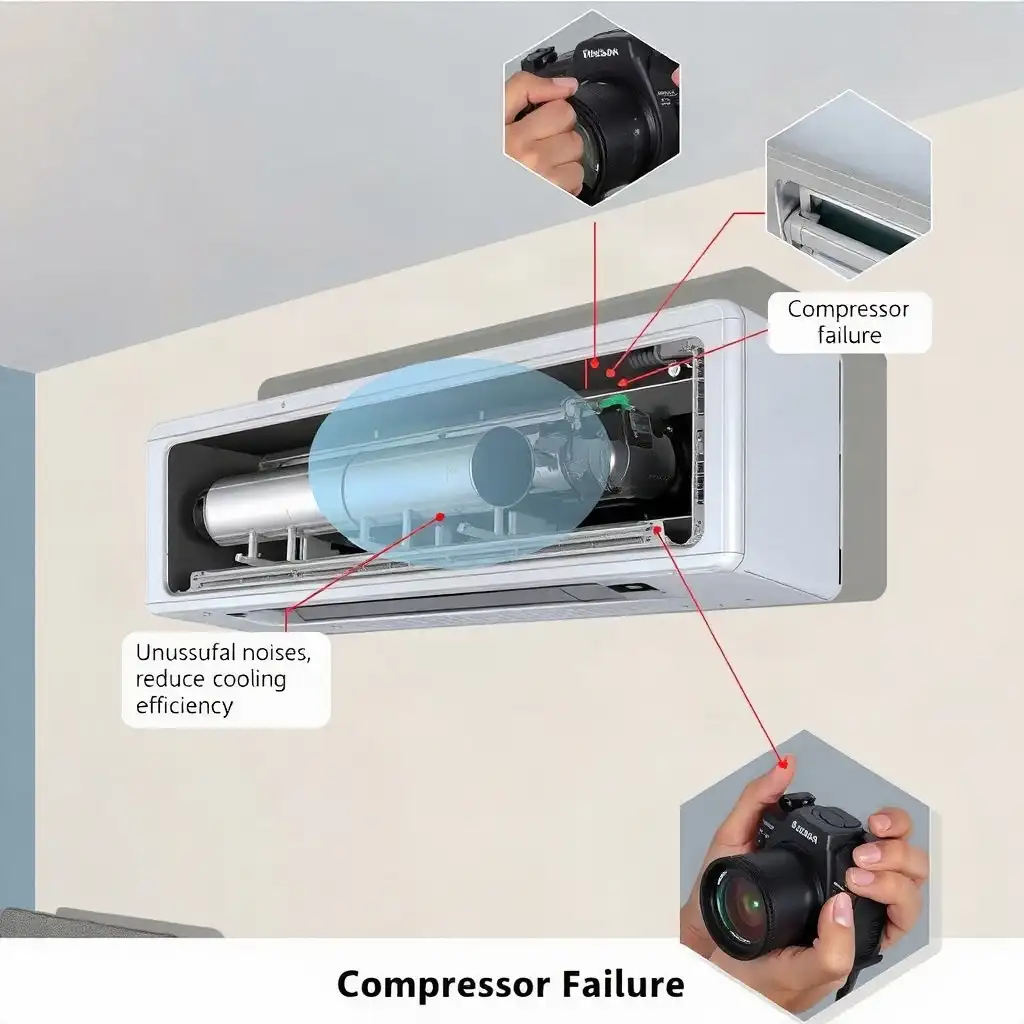
In the humid climate of Cyberjaya, homeowners must watch for signs of compressor failure that could risk their air conditioning systems. Unusual sounds like hissing or bubbling may indicate a refrigerant leak. Banging or clanking noises usually signal broken internal parts needing immediate professional help. During the rainy season, up to 60% more compressor issues are reported, so spotting these warning signs early is key to avoiding expensive repairs and keeping your cooling system running smoothly.
Types of Dangerous Compressor Noises
The sounds from a malfunctioning compressor can indicate problems. Hissing or bubbling noises, similar to air escaping from a tire or fizz in soda, often signal a refrigerant leak. This is especially concerning for units older than five years, given Cyberjaya’s humid climate. Homeowners should turn off their AC immediately to avoid further damage.
Banging or Clanking Noises
Banging or clanking that resembles metal hitting metal usually points to broken internal parts within the compressor and requires immediate professional help. Delaying repairs, like one resident in Bangsar who waited two weeks, can lead to major failures and significantly increase repair costs. Knowing the typical repair ranges can help homeowners compare options before deciding how urgently to act.
Screeching or Squealing Noises
Screeching or squealing indicates worn bearings that could worsen with moisture during Malaysia’s rainy season (November-February). It’s crucial not to ignore these sounds; schedule repairs within 24 hours after hearing them. Grinding noises suggest serious internal friction, necessitating an immediate shutdown of the unit and expert inspection. Recognizing these warning signs helps homeowners take quick action before small issues escalate into larger problems, and expenses, in maintaining cooling system reliability.
Causes of Compressor Failure in Malaysia
Environmental factors contribute to compressor failures in Malaysia. The tropical climate, with temperatures around 32°C and high humidity, pressures AC systems. During the rainy season from November to February, this strain increases; studies show a 60% rise in compressor-related issues as moisture causes rust and corrosion in essential parts. Homeowners should remain vigilant during these months, understanding that poor installation or lack of maintenance raises the chance of failure.
Voltage Fluctuations
Another important factor is how voltage fluctuations impact electrical components within compressors. In Cyberjaya’s unstable power supply environment, surges can harm sensitive parts like capacitors, leading to malfunctioning compressors, a situation that demands immediate attention due to potential fire risks linked with electrical problems. Regular servicing is necessary for homeowners who want their units to last longer; consistent upkeep lowers failures by up to 80%. Knowing these causes helps users take proactive steps and recognize when they need professional help for their cooling systems’ health.
The Pros & Cons of Timely AC Maintenance
Pros
-
Timely maintenance can cut down compressor failures by as much as 80%, allowing the compressor to last between 10 to 15 years with proper care.
-
Spotting issues early helps avoid expensive repairs, potentially saving thousands of ringgit compared to waiting too long to fix them.
-
Regular servicing boosts energy efficiency, leading to lower electricity use and costs.
-
Scheduled maintenance allows you to find and fix problems before they get worse, ensuring that cooling performance remains steady.
Cons
-
Maintenance services can cost between RM600 and RM2,000 if you need to replace the compressor.
-
You’ll need professional servicing every 3 to 4 months, which might be a hassle for some users.
-
If you neglect maintenance, it could lead to serious damage and higher repair costs; there have been cases where delays resulted in bills over RM4,
-
Not everyone prioritizes regular checks, increasing the chances of compressor failure during extreme weather conditions.
Signs of Compressor Failure to Watch for
Identifying signs of compressor failure is essential for maintaining your AC. Hissing or bubbling sounds often indicate a refrigerant leak, which can reduce cooling efficiency and damage the system if not addressed quickly. Homeowners may notice these noises more in units older than five years operating in Cyberjaya’s humid conditions. Immediate action, like turning off the unit, is advisable to prevent further issues.
Banging Noises
Banging or clanking noises signal problems with internal parts of the compressor. These sounds require prompt attention from professionals, as ignoring them can lead to higher repair costs, a situation faced by a Bangsar homeowner who saw expenses rise after delaying necessary repairs.
Screeching Sounds
Screeching or squealing sounds indicate worn bearings, which may worsen during Malaysia’s rainy months due to increased moisture exposure. Scheduling repairs within 24 hours is crucial. Similarly, grinding noises suggest serious friction inside the unit; turning it off immediately for expert assessment is necessary to avoid escalating issues.
Environmental Factors
Environmental factors significantly affect compressors in Malaysia’s tropical climate, where high temperatures average around 32°C and humidity levels create mechanical stress year-round. The rainy season increases this risk dramatically; homeowners should expect up to a 60% rise in reported rust and corrosion issues if maintenance falls behind.
Power Supply Fluctuations
Fluctuations in power supply can disrupt sensitive electrical components like capacitors in compressors; such surges pose fire hazards and operational failures requiring immediate assistance from qualified technicians familiar with local challenges. Regular inspections are crucial, as studies show consistent upkeep leads to an estimated reduction of nearly 80% in overall breakdowns and extends equipment life beyond its typical ten-year lifespan, ensuring peace of mind amid Cyberjaya’s changing climate demands.
Cost Range for Compressor Replacement in Malaysia
The cost of replacing a compressor in Malaysia varies based on factors like the type and size of the air conditioning unit. Homeowners should budget between RM600 and RM2,000 for this service. This price range includes different setups like wall-mounted units or ceiling cassettes, with labor costs affecting the final bill. Understanding these costs is essential when deciding whether to repair or replace the system.
Age is crucial in determining the financial sense of repair versus replacement. If the unit is less than five years old, it often makes sense to repair it if the malfunctioning parts don’t exceed half the cost of a new one, this guideline helps avoid unnecessary early replacements. Older systems usually need full replacement after ten years due to decreased efficiency and increased failure likelihood.
Professional Assessments
During initial consultations, technicians diagnose issues using specialized tools like multimeters before suggesting repairs or replacements. Some symptoms may resemble those caused by external electrical problems (like capacitor failures), which are cheaper fixes, costing between RM80 and RM200 compared to complete compressor replacements that require a larger financial commitment.
The Replacement Process
Replacing an AC compressor involves multiple steps requiring skilled work: first, refrigerant recovery occurs before dismantling any parts; then, welding new connections happens alongside vacuum testing lines; finally, recharging refrigerants concludes what can be a multi-hour job lasting three to six hours based on system complexity. Homeowners should hire reliable professionals to ensure safety and effectiveness while protecting against unexpected expenses related to climate risks common in Cyberjaya’s environment.
Key Indicators of AC Compressor Failure
| Signs of Compressor Failure | Description | Severity Level | Recommended Action | Typical Repair Cost | Timeframe for Attention |
|---|---|---|---|---|---|
| Hissing or Bubbling Sounds | Indicates refrigerant gas leaking, serious issue. | Critical | Immediate shutdown | RM800 | Immediate |
| Banging or Clanking Sounds | Signals broken internal compressor parts, requires urgent help. | Emergency | Do not restart; call professional | RM4,200 (delayed repair) | Immediate |
| Screeching or Squealing Sounds | High-pitched noise due to worn-out bearings, aggravated by moisture. | Serious | Repair within 24 hours | TBD | 24 hours |
| Grinding Sounds | Indicates internal grinding among parts, critical situation. | Critical | Immediate shutdown | TBD | Immediate |
| Constant Buzzing | Signals electrical problems, associated with fire risk. | Serious | Seek professional help | TBD | 48 hours |
| Clicking on Startup | Fast clicking noises during startup indicate starting problems. | Medium | Schedule a check within the week | TBD | 1 week |
Repair Vs Replacement Decision Guidelines
Determining whether to fix or replace a compressor depends on several factors. Homeowners should consider the age of their system, especially in Cyberjaya’s climate where humidity and temperature affect AC performance. If your unit is less than five years old, repairs are usually worth it if costs don’t exceed 50% of a new compressor’s price, this guideline helps prevent unnecessary replacements that could strain your budget. For systems close to or over ten years old, it’s generally better to replace them as older compressors tend to fail more often and become less efficient.
Symptoms That Matter
Recognizing specific symptoms can help homeowners make informed maintenance decisions. If you hear persistent noises indicating mechanical problems, it’s best to seek professional help rather than attempt quick DIY fixes; this approach reduces risks of further damage and rising repair costs. Hiring qualified HVAC technicians ensures accurate diagnoses and provides peace of mind regarding potential safety issues related to electrical problems, a common concern given Malaysia’s unreliable power supply affecting local equipment reliability.
Preventive Maintenance Practices for Compressors
Routine preventive maintenance is key to keeping AC compressors running well and lasting longer in Cyberjaya. Homeowners should set up a regular schedule that includes checking units monthly and getting professional service every three to four months. Important tasks like cleaning air filters, inspecting coils, and checking for refrigerant leaks help ensure reliable operation. For optimal performance, consider chemical washes every 12 to 18 months to remove debris that can affect efficiency. Ignoring these practices may lead to discomfort and increase the chances of mechanical problems.
Seasonal Considerations
During peak rainy seasons from November through February, when compressor issues can rise by as much as 60%, homeowners need to pay extra attention to their systems’ health. The increased moisture can wear down internal parts more quickly, so more frequent inspections are essential. By staying on top of maintenance now instead of waiting for serious issues like strange noises or reduced cooling power later, residents could save thousands on repairs while extending the lifespan of their systems beyond the usual ten years with proper care.
Unveiling Compressor Failure: Myths and Facts
-
Many people think that only loud noises mean a compressor is failing, but hissing or bubbling can also indicate serious problems like refrigerant gas leaks.
-
There’s a belief that AC units will continue cooling if the compressor fails. The truth is, when the compressor stops working, cooling stops too, though the fans might still run.
-
Some believe they can ignore early signs of compressor failure without issues; yet, these symptoms usually worsen over time, increasing repair costs and possibly leading to total compressor failure.
-
It’s often assumed that newer AC units don’t need regular maintenance. Routine servicing can reduce compressor failures by up to 80%, regardless of the unit's age.
-
Many assume any noise from an AC unit isn’t significant, yet specific sounds like grinding or constant buzzing could signal serious internal issues needing immediate professional help to avoid more damage.
Impact of Malaysian Climate on AC Compressors
The tropical climate of Malaysia affects AC compressors’ performance and lifespan, with Cyberjaya facing specific challenges. High temperatures averaging 32°C and high humidity create tough conditions for air conditioning systems. From November to February, during the rainy season, moisture can seep into internal parts, causing rust and corrosion that increase mechanical stress. Experts report a rise in compressor problems, up to 60% more failures are noted during these months. Homeowners must pay extra attention to maintenance; skipping regular inspections raises the chance of compressor failure and could lead to costly repairs.
Voltage fluctuations in Malaysian power supply threaten AC unit reliability. These surges may damage sensitive components like capacitors inside compressors, triggering issues that could result in complete system breakdowns, a situation that requires quick professional help due to associated fire risks. Homeowners should understand how external factors impact their cooling systems; those who proactively service their units can reduce risks and extend their lifespan.
In light of such pressures on air conditioning systems in Cyberjaya’s climate, it becomes clear why taking preventive measures is crucial, it acts as an essential safeguard against both minor inconveniences and major financial burdens caused by neglecting one’s HVAC system amid challenging weather patterns.
Recognizing Compressor Failure Signs
Recognizing the signs of compressor failure is crucial for keeping air conditioning running smoothly in Cyberjaya’s tropical climate. Homeowners should pay attention to unusual sounds from their units, as these can indicate serious issues that require immediate action. A hissing or bubbling noise may signal a refrigerant leak, an urgent problem that necessitates turning off the system immediately to prevent further damage. This issue often occurs in older models exposed to high humidity over several years.
Other Alarming Indicators
Other concerning noises include banging or clanking sounds; these usually indicate broken internal parts within the compressor and require prompt professional help. Delaying repairs can lead to higher costs and worsen existing problems. Screeching noises might signal worn bearings caused by moisture during Malaysia’s rainy season and should ideally be repaired within 24 hours. By understanding these warning signs, homeowners can take timely steps before small issues escalate into major complications and expenses related to cooling efficiency or system reliability.
FAQ
What are the primary signs of compressor failure in air conditioners?
Main indicators of compressor failure include hissing sounds from refrigerant leaks, banging noises from broken components, screeching from worn bearings, grinding indicating damage, buzzing for electrical issues, and clicking at startup.
How does Malaysia's tropical climate affect the performance of AC compressors?
Malaysia’s high temperatures and humidity stress air conditioner compressors, leading to failures; early detection of issues like unusual sounds is crucial to avoid costly repairs.
What are the recommended maintenance practices to prevent compressor failures?
Regular maintenance, including monthly cleaning of air filters and coils, professional servicing every 3 to 4 months, and chemical washes every 12 to 18 months, can reduce compressor failures by up to 80%.
What is the cost range for replacing a faulty compressor in Malaysia?
Replacing a faulty compressor in Malaysia costs between RM600 and RM2,000, depending on the unit size and installation complexity.
When should homeowners seek professional help for AC issues based on specific symptoms?
Homeowners in Cyberjaya should seek professional help for AC issues like hissing, bubbling, banging, clanking, screeching, or buzzing sounds to prevent costly repairs and extend unit lifespan.
What emergency support options are available for AC repair services in Cyberjaya?
Emergency AC repair services in Cyberjaya offer 24/7 hotline assistance at +60 17-873 0408 for quick responses to urgent HVAC issues.